The best home flooring options in 2026 are hardwood, engineered hardwood, luxury vinyl plank, laminate, tile, and carpet. Each one fits different rooms, budgets, and lifestyles. LVP works best for busy households, hardwood boosts resale value, and tile handles moisture in kitchens and bathrooms.
Picking new floors feels like a bigger decision than it should be. You walk into a flooring store, see a hundred samples, and suddenly every choice looks the same. But once you break flooring down by cost, durability, and room fit, the decision gets a lot easier.
This guide walks through the most popular flooring types homeowners are choosing right now. You’ll see what each one costs, where it works best, and what trade-offs come with it. By the end, you’ll know exactly which floor fits your home and your budget.
Hardwood Flooring
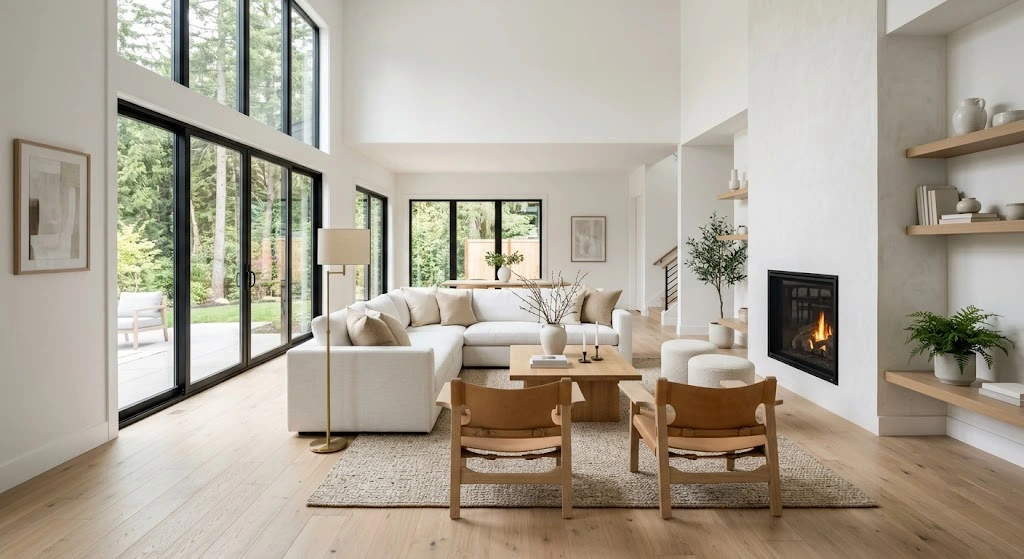
Hardwood remains the gold standard for home flooring. Buyers see it as a long-term investment, not just a design choice. Real wood planks bring warmth and character that few other materials can match.
Solid hardwood costs between three and fourteen dollars per square foot, with red oak, white oak, hickory, and maple as the most common species. Hickory is the toughest of the bunch and resists dents better than most woods on the market. A well-maintained hardwood floor can last fifty to one hundred years, and you can sand and refinish it multiple times along the way.
The catch is moisture. Hardwood absorbs water quickly, so it’s a poor fit for bathrooms, laundry rooms, or basements. It also scratches and dents in high-traffic areas, especially if you have large dogs or move furniture often. Still, for living rooms, dining rooms, and bedrooms, nothing beats the look and resale value of real wood.
Engineered Hardwood
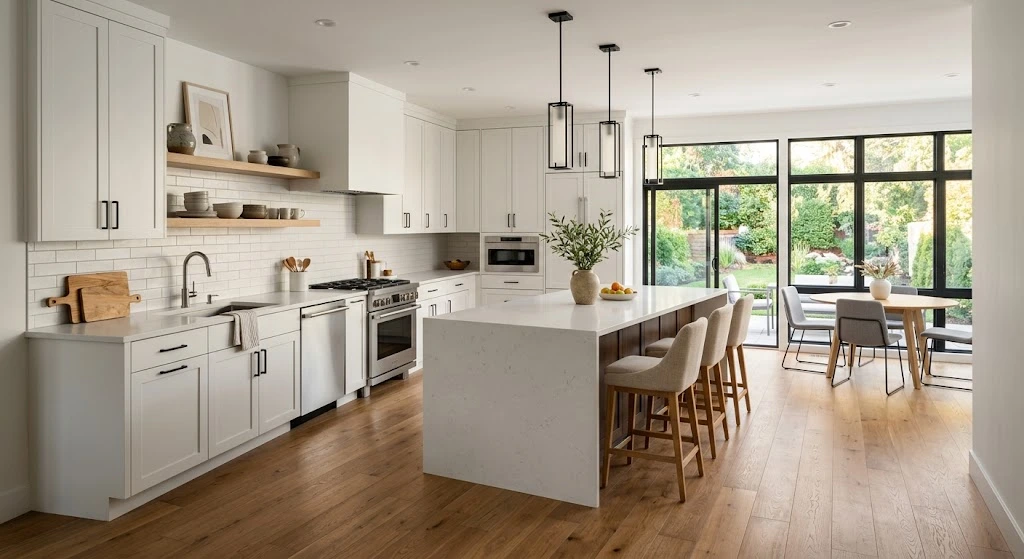
Engineered hardwood gives you the appearance of solid wood with better stability underneath. Instead of one solid plank, it’s built from several layers glued together, with a real wood veneer on top and plywood underneath. That layered build makes it far less likely to warp or expand with humidity changes.
This makes engineered hardwood a smart choice for kitchens, basements, and homes with radiant heating, places where solid hardwood usually struggles. Installed costs run about six to fourteen dollars per square foot, and popular brands offer wide-plank white oak styles that look almost identical to solid wood.
If you love the hardwood look but need something more forgiving for tricky rooms, engineered hardwood closes that gap without sacrificing much style.
Luxury Vinyl Plank
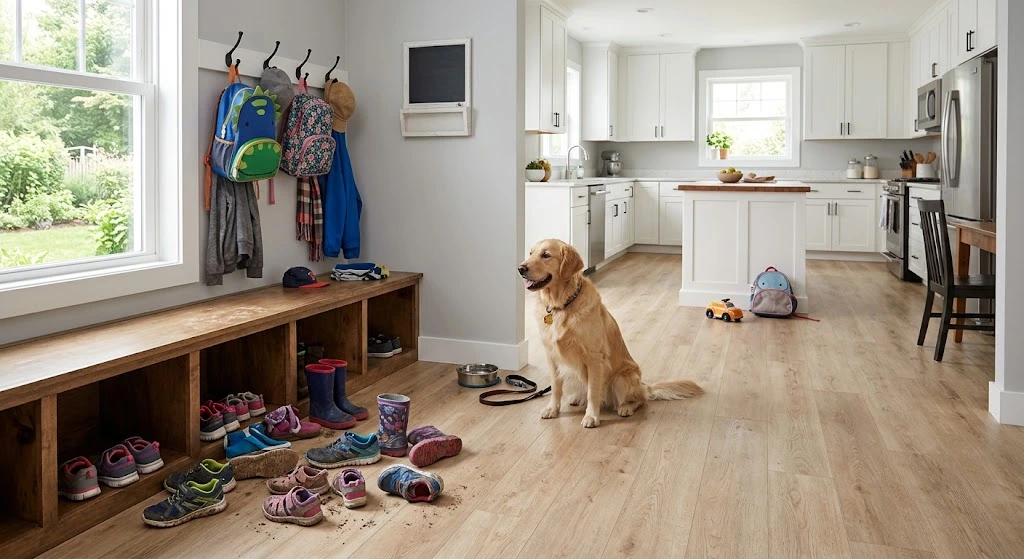
Luxury vinyl plank, often called LVP, has become the most installed flooring type in American homes. It’s completely waterproof, holds up to heavy foot traffic, and comes in wood and stone patterns that are hard to tell apart from the real thing.
Materials run two to seven dollars per square foot, with installed pricing between four and eleven dollars. Rigid-core versions, known as SPC, add extra scratch resistance and a sturdier feel underfoot. Click-lock installation means many homeowners install it themselves, which cuts labor costs significantly.
LVP fits almost anywhere in the house, but it shines in kitchens, bathrooms, mudrooms, and homes with kids or pets. If your household deals with spills, muddy shoes, or the occasional water bowl disaster, this floor handles it without complaint.
Laminate Flooring
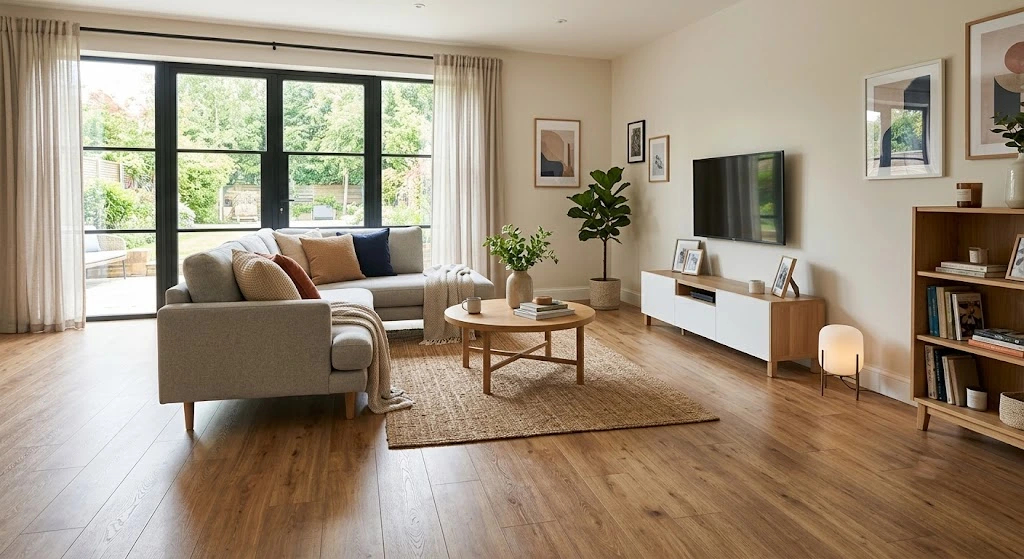
Laminate gives you the look of hardwood at a fraction of the cost. A high-resolution image layer sits under a tough, clear wear layer, and the whole thing snaps together with a click-lock system. Many newer laminate lines are also water-resistant, though not fully waterproof.
Material costs land between one and four dollars per square foot, with installed pricing around seven to twelve dollars. Laminate resists scratches well, which makes it a strong pick for homes with active kids or pets. You will need a proper underlayment for sound absorption, and standing water is still something to avoid.
Laminate works best in living rooms, bedrooms, and hallways where you want a wood-look floor without the wood-level price tag.
Tile Flooring
Tile is the flooring world’s moisture expert. Ceramic and porcelain tile both resist water extremely well, which is why they dominate kitchens, bathrooms, and entryways. Porcelain is fired at a higher temperature than ceramic, making it denser, harder, and even more water-resistant.
Material costs for porcelain run three to eight dollars per square foot, but installation adds another four to eight dollars because tile work takes real skill. Large-format tiles, like twelve-by-forty-eight or twenty-four-by-forty-eight inches, are trending right now because they create a sleek look with fewer grout lines to clean.
Tile isn’t the softest surface to stand on, and dropped dishes rarely survive the fall. But for rooms that deal with water and heavy traffic, it’s tough to beat.
Carpet
Carpet still owns bedrooms and cozy living spaces. It’s soft, it muffles sound between floors, and it’s one of the most budget-friendly options on this list. Installed pricing typically falls between three and eleven dollars per square foot.
Newer carpet lines have improved a lot. Many now include stain-resistant and antimicrobial treatments, which cuts down on allergens and makes cleanup easier for families. Carpet also cushions falls, which matters in homes with young kids or older adults.
The downside is lifespan. Carpet lasts around ten years with good care, shorter than nearly every hard-surface option here. It also stains easily and isn’t suited for kitchens, bathrooms, or entryways where moisture and mess are a daily reality.
Cork and Bamboo Flooring
Cork and bamboo appeal to homeowners who want something sustainable without giving up comfort or style. Cork is naturally soft underfoot, thanks to millions of tiny air-filled cells in its structure. That cushioning reduces strain on your feet and joints, and it also muffles noise between floors. Installed costs range from five to fifteen dollars per square foot.
Bamboo, meanwhile, is often harder than traditional hardwood species, despite being a grass rather than a tree. It costs seven to nineteen dollars per square foot installed and holds up well against scratches and heavy traffic. Both materials need moisture control, since standing water and direct sunlight can cause damage over time.
These options work well in bedrooms, home offices, and living rooms where comfort and eco-friendly materials matter more than moisture resistance.
How to Match Flooring to Each Room
Different rooms put different demands on your floors, so it rarely makes sense to use one material everywhere. Kitchens and bathrooms need waterproof or highly water-resistant surfaces, which points you toward LVP, porcelain tile, or engineered hardwood. Basements face similar moisture concerns, so SPC vinyl or engineered hardwood are safer bets than solid wood.
Living rooms, dining rooms, and hallways can handle almost any material, so this is where style often drives the decision. Hardwood, laminate, and LVP all perform well in these spaces. Bedrooms are a great spot for carpet, cork, or bamboo, since comfort matters more than moisture resistance there.
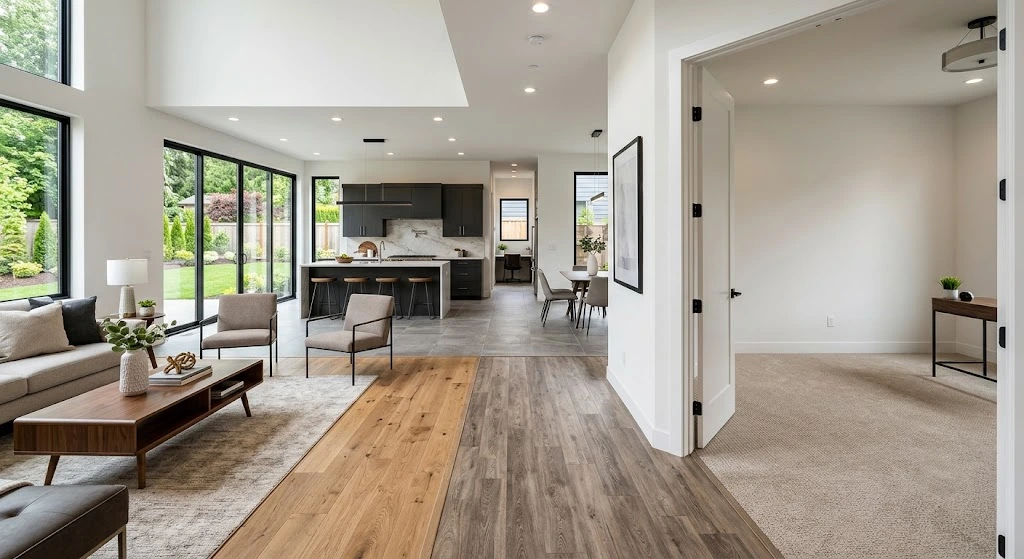
A common strategy among homeowners in 2026 is mixing materials by room. You might install LVP or engineered hardwood in main living areas, porcelain tile in the bathroom, and carpet in the bedrooms. This combination balances cost, comfort, and durability while keeping a cohesive look throughout the house.
Final Thoughts on Choosing the Right Floor
There’s no single best flooring option for every home. Your choice depends on your budget, your household’s daily habits, and how each room gets used. A family with young kids and pets will lean toward LVP or laminate, while someone focused on resale value might prioritize hardwood in the main living spaces.
Before you commit, think through moisture exposure, foot traffic, and how long you plan to stay in the home. Budget flooring can look great at first, but thinner wear layers wear out faster and often cost more to replace down the road. Spending a little more upfront on quality materials usually pays off over the life of your floor.
Whatever you choose, get a few quotes from local flooring contractors before you start. Prices vary by region and by subfloor condition, so a professional walkthrough will give you a far more accurate number than any online estimate.
A Few Extra Tips Before You Buy
Installation difficulty is worth factoring into your budget, even if the material itself seems affordable. Floating floors like LVP and laminate are DIY-friendly, since the planks click together without glue or nails. Tile and solid hardwood take more skill, and a poor installation job can shorten the life of an otherwise great floor.
Also think about how your flooring choice affects the rest of your home. Bold colors or mismatched materials between rooms can make a house feel disjointed, especially if you plan to sell in the next few years. Sticking with neutral tones and consistent flooring across main living areas tends to appeal to a wider range of buyers.
Finally, don’t overlook the subfloor. Even the best flooring material will fail early if it’s installed over an uneven, damp, or damaged subfloor. Ask your contractor to inspect the subfloor before installation day, since fixing problems afterward costs far more than addressing them upfront.
Flooring is one of the few home upgrades you’ll walk on every single day, so it’s worth taking the time to get right. Match the material to the room, factor in your household’s daily wear and tear, and don’t be afraid to mix flooring types across your home. The right combination will look great and hold up for years to come.