Table of Contents
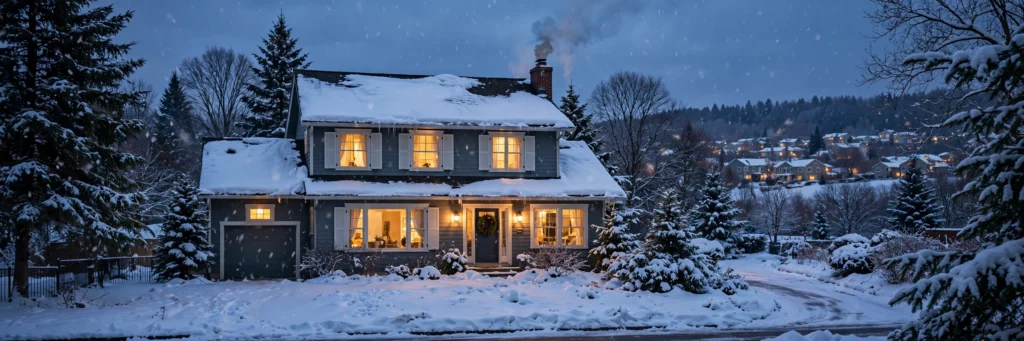
When temperatures start dropping, your home needs a little extra care to handle what’s coming. Learning how to winterize your home isn’t just about staying warm — it’s about preventing expensive damage, lowering energy bills, and keeping your family safe all season long.
Frozen pipes, ice dams, and sky-high heating bills are all preventable with a weekend of smart DIY work. This guide walks you through 15 practical tasks you can do yourself before the first frost arrives. Let’s get your home winter-ready.
Heating & Energy Efficiency
Your heating system works hardest in winter, so this is where winterizing pays off the most. A little maintenance now means lower bills and fewer breakdowns later.
1. Service Your Heating System
Before you need heat every day, give your furnace or boiler a checkup. Replace the air filter, make sure vents aren’t blocked by furniture, and listen for unusual noises when the system kicks on. If your system is older or hasn’t been serviced in over a year, schedule a professional tune-up — it’s far cheaper than an emergency repair in January.
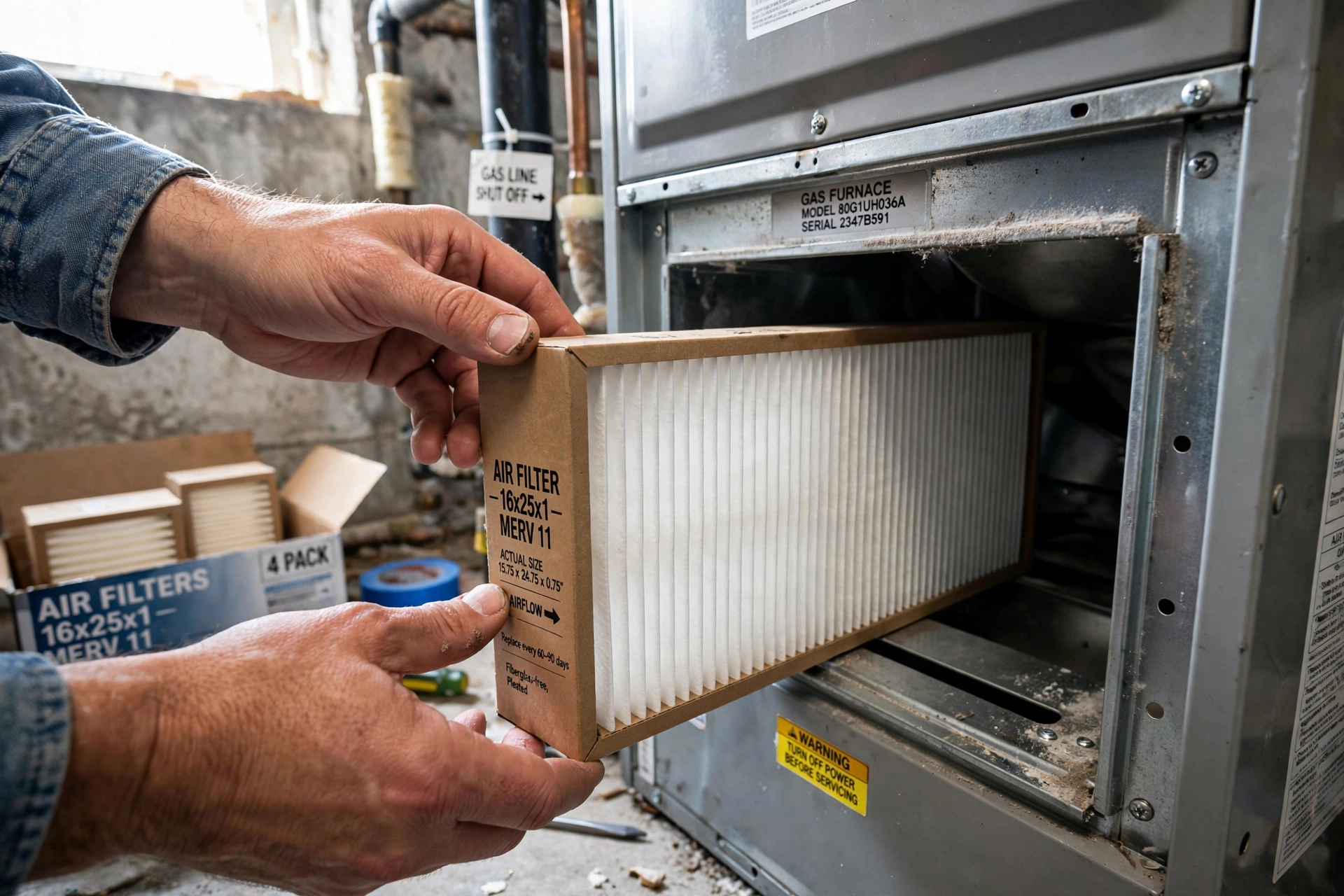
2. Replace Furnace Filters
A clogged filter forces your heating system to work harder, driving up energy costs and wearing out components faster. Swap in a fresh filter at the start of the season, then check it monthly. This five-minute task is one of the simplest ways to keep your system running efficiently.
3. Reverse Your Ceiling Fans
Warm air rises, which means heat collects near your ceiling while you shiver below. Flip your ceiling fans to spin clockwise at low speed during winter. This pushes warm air back down into the room, making the space feel warmer without touching the thermostat.
4. Seal Air Leaks Around Windows and Doors
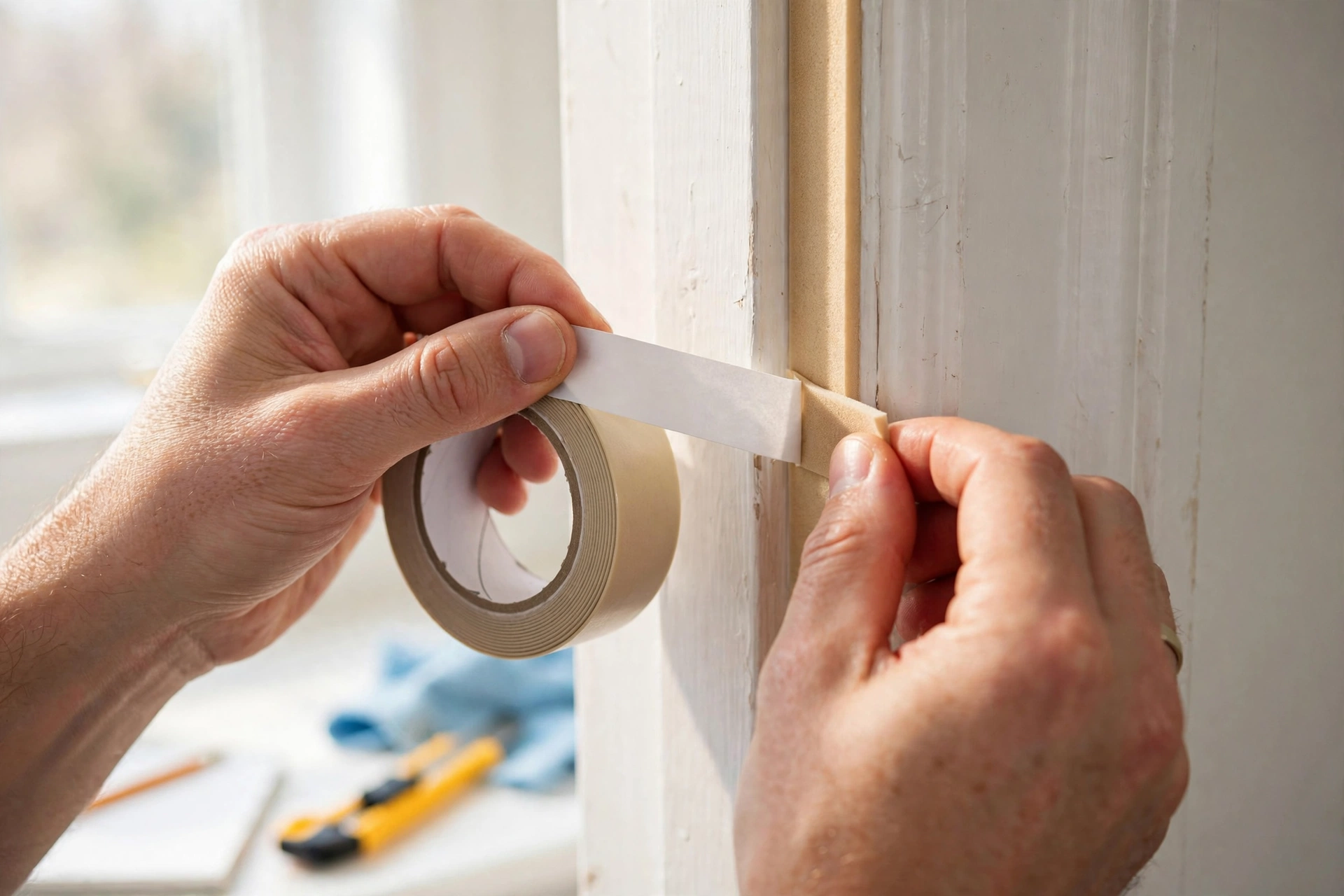
Drafts around windows and doors are among the biggest sources of heat loss in any home. Run your hand along window and door frames on a windy day — if you feel cold air, you’ve found a leak. Apply adhesive weatherstripping to door frames and use caulk to seal gaps around window trim. This inexpensive fix can noticeably cut your heating bill.
5. Check Your Attic Insulation
Heat escapes through a poorly insulated attic faster than anywhere else. Head up and check whether your insulation is evenly distributed and deep enough — you shouldn’t be able to see the ceiling joists poking through. If insulation looks thin or compressed, adding more is a straightforward DIY project with a big payoff.
Plumbing Protection
Frozen pipes are one of the most expensive winter disasters a homeowner can face. A burst pipe can cause thousands of dollars in water damage, but prevention is cheap and easy.
6. Insulate Exposed Pipes
Pipes in unheated areas — basements, crawl spaces, attics, and garages — are most vulnerable to freezing. Wrap them with foam pipe insulation sleeves, which slide on in minutes and cost just a few dollars. Pay special attention to pipes along exterior walls.
7. Drain Outdoor Faucets and Disconnect Hoses
Water left in outdoor faucets and hoses can freeze, expand, and crack the pipe inside your wall. Disconnect all garden hoses, drain them completely, and store them indoors. If your home has an interior shut-off valve for exterior faucets, turn it off and open the outside faucet to let remaining water drain out. Finish with an insulated faucet cover for extra protection.
Exterior & Roof
Winter weather punishes your home’s exterior. Addressing these areas now prevents water damage, ice dams, and structural problems.
8. Clean Gutters and Downspouts
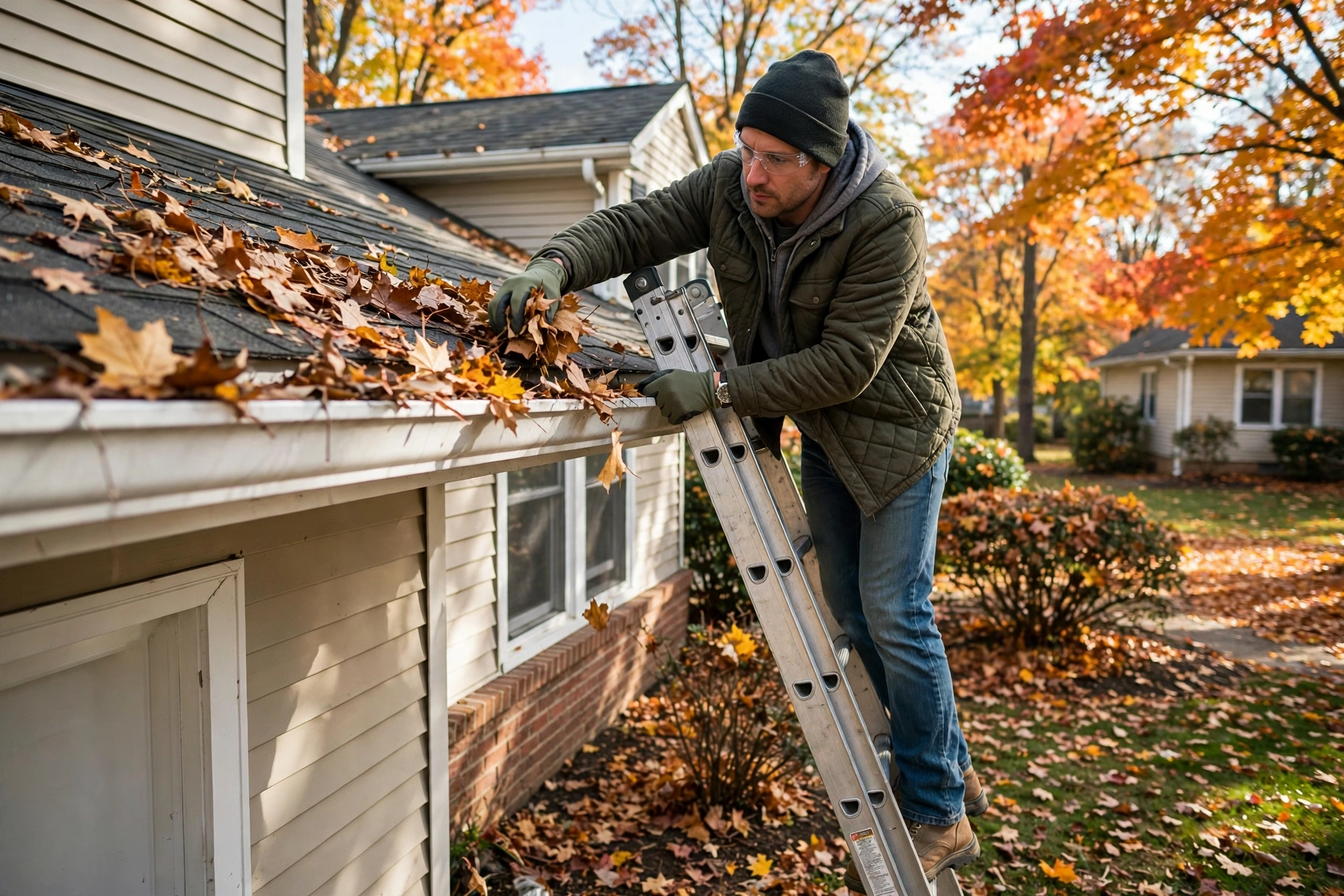
Clogged gutters trap water that freezes into ice dams — ridges of ice that force melting snow under your shingles and into your home. Clear out leaves and debris, then run water through the downspouts to confirm proper drainage. Make sure downspouts direct water at least a few feet away from your foundation.
9. Inspect Your Roof
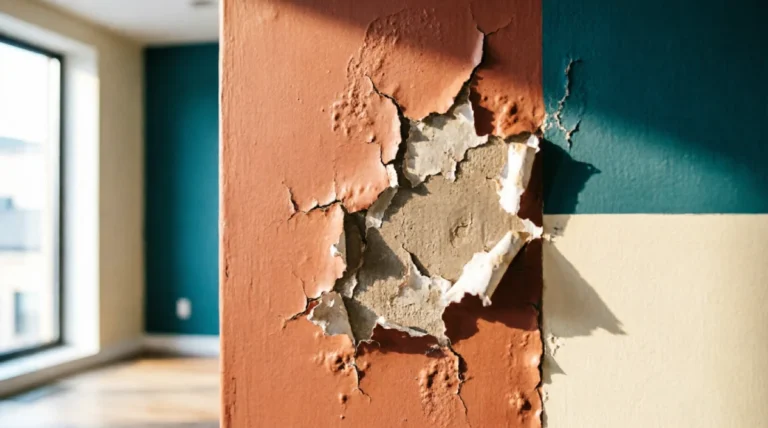
From the ground (or a secure ladder), look for missing, cracked, or curling shingles, damaged flashing around chimneys and vents, and sagging areas. Small roof problems become big leaks under heavy snow. If your home’s exterior paint is also looking worn, now is a good time to assess it — check out our guide on how to fix peeling paint before moisture makes it worse.
10. Trim Trees and Remove Dead Branches
Heavy snow and ice can snap weak branches onto your roof, car, or power lines. Prune dead or overhanging limbs now, keeping branches at least several feet from your roofline. This is also a good moment to clear fallen leaves away from your foundation, where they trap moisture.
11. Store Outdoor Furniture and Equipment
Clean and store patio furniture, grills, and garden tools in a garage or shed. Drain fuel from lawn mowers or add stabilizer, and cover anything that must stay outside with weatherproof covers. Protecting your gear now means it will be ready to use in spring.
Fireplace & Home Safety
A sealed-up home needs working safety devices. Winter is peak season for house fires and carbon monoxide incidents, so don’t skip these.
12. Have Your Chimney Inspected and Cleaned
If you use a wood-burning fireplace, creosote buildup inside the chimney is a serious fire hazard. Have it professionally cleaned before your first fire of the season, and check that the damper opens and closes properly. If you won’t be using the fireplace at all, consider a chimney balloon to block cold air from pouring down the flue.
13. Test Smoke and Carbon Monoxide Detectors
With furnaces running and fireplaces lit, carbon monoxide risk rises in winter. Test every smoke and CO detector in your home, replace batteries, and check expiration dates — most detectors need replacing every 7 to 10 years. Make sure there’s a CO detector on every floor, especially near bedrooms.
Final Touches
These last tasks make your home more comfortable and prepare you for whatever winter throws at you.
14. Install a Programmable Thermostat
A programmable or smart thermostat automatically lowers the temperature while you sleep or are away, then warms the house before you return. This single upgrade can trim a noticeable chunk off your heating bill without any sacrifice in comfort. Installation is a beginner-friendly DIY job for most systems.
15. Stock Winter Essentials and Emergency Supplies
Prepare for storms before they arrive. Stock up on ice melt, keep snow shovels accessible, and assemble an emergency kit with flashlights, batteries, blankets, bottled water, and non-perishable food. If you rely on a snowblower or generator, test them now — not during the first blizzard.
Frequently Asked Questions
When should I start winterizing my home?
Start in early fall, ideally September or October, so you have time to complete exterior work before freezing temperatures arrive. Freeze-sensitive tasks like disconnecting hoses and draining outdoor faucets should be finished before the first hard frost.
How much does it cost to winterize a house?
Most DIY winterizing tasks cost very little. Weatherstripping, caulk, pipe insulation, and faucet covers typically run under $100 total. A professional furnace tune-up usually costs between $80 and $150, while a chimney cleaning runs $150 to $300. Compare that to the thousands a burst pipe or ice dam can cost, and winterizing is one of the best investments you can make.
What happens if you don’t winterize your home?
Skipping winterization can lead to frozen and burst pipes, ice dams that damage your roof, higher energy bills from heat loss, furnace breakdowns, and water damage from clogged gutters. Most of these problems are far more expensive to fix than to prevent.
Can I winterize my home myself?
Absolutely. Most winterizing tasks — sealing drafts, insulating pipes, cleaning gutters, replacing filters, and reversing ceiling fans — are beginner-friendly DIY projects. Leave chimney cleaning, major roof repairs, and furnace servicing to professionals if you’re unsure.
Final Thoughts
Knowing how to winterize your home gives you control over your comfort, your energy bills, and your peace of mind all winter long. Work through this checklist one weekend, and you’ll head into the cold season confident that your home is protected.
Looking for more ways to improve your home? Explore our home improvement guides for practical DIY projects you can tackle year-round.