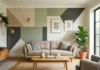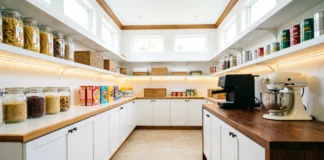

DIY home improvement projects can make your home feel new. They save money and build skills. For beginners, these tasks are fun and easy. In 2025, the choice of DIY is more prevalent in the UK and the USA. Research shows that 93% of homeowners want to start a DIY project shortly. This guide gives step-by-step tutorials for beginners. It covers simple projects that need a few tools. You can do them in a day or a weekend. These ideas work for houses or flats. Start small and grow your confidence.
Why Choose DIY Home Improvement?
DIY lets you fix things yourself. It cuts costs on pros. In the USA, DIY saves up to 50% on small jobs. In the UK, it helps with rising bills. Plus, it adds value to your home. Simple changes like paint can boost worth by 5%. Trends in 2025 focus on eco-friendly fixes. Use green paints or recycled wood. Beginners love these projects. They feel good when done. DIY also helps the planet. Many pick sustainable materials now. It’s a smart way to update your space.
Essential Tools for Starting a DIY Project
Begin with the fundamental tools. You don’t need much. Most cost under £50 or $70.Purchase from retailers such as B&Q (in the UK) and Home Depot (in the USA).
- Hammer & Nails: to hang or fix.
- Screwdriver Set: Flat and cross-head types.
- Tape Measure: for checking sizes.
- Paint Brushes and Rollers: For color changes.
- Level: Keeps things straight.
- Safety Gear: Gloves, goggles, and masks.
These tools last for years. Add more as you try new projects. Apps like YouTube show how to use them.
Safety Tips for DIY Beginners
Safety comes first. Simple steps keep you safe. Wear gloves to protect your hands. Use goggles for the eyes. Work in a good light. Read tool guides. Unplug power tools when not in use. For paint, open windows for air. If you climb, use a steady ladder. Kids and pets should stay away. If unsure, ask a friend or watch videos. Safe DIY is fun DIY.
Step-by-Step Tutorial: Painting a Room
Painting is a top beginner project. It changes a room fast. Costs start at £20 or $30. Pick low-VOC paint for health. Neutral colors like grey or white are trendy.
Gather Supplies
- Paint in your color.
- Brushes, roller, tray.
- Drop clothes.
- Painter’s tape.
- Sandpaper.
Prepare the Room
Clear furniture. Cover the floors with clothes. Tape edges of windows and doors. Sand rough spots on walls. Wipe dust off.
Paint the Walls
Start with edges using a brush. Roll paint on walls in W shapes. Do two coats. Let dry between coats. Wait 2-4 hours.
Clean Up
Remove tape while wet. Wash tools. Put furniture back. Enjoy your fresh room. This project takes 4-6 hours.
Step-by-Step Tutorial: Installing Floating Shelves
Shelves add storage. They look modern. Great for books or plants. Cost: £10-£30 or $15-$40 per shelf.
Gather Supplies
- Floating shelf kit.
- Drill and bits.
- Level.
- Stud finder.
- Screws.
Find the Spot
Pick a wall. Use a stud finder to locate strong spots. Mark with a pencil. Hold the shelf up to check the height.
Install Brackets
Drill holes in marks. Screw brackets into the wall. Use anchors if there is no stud. Check with the level.
Add the Shelf
Slide the shelf onto the brackets. Secure if needed. Add items. This takes 30-60 minutes. Strong shelves hold 10-20 kg.
Step-by-Step Tutorial: Updating Cabinet Hardware
New knobs refresh kitchens or bathrooms. Easy swap. Costs £5-£15 or $7-$20 per set.
Gather Supplies
- New knobs or handles.
- Screwdriver.
- Tape measure.
Remove Old Hardware
Unscrew old ones. Keep screws if they fit. Clean holes.
Measure and Mark
Check spacing. Mark new spots if different. Drill if necessary.
Install New Ones
Screw in new hardware. Tighten well. Test doors. Done in 20-40 minutes. Pick matte black for 2025 style.
Step-by-Step Tutorial: Adding a Peel-and-Stick Backsplash
Backsplashes protect walls. Peel-and-stick tiles are simple. Ideal for renters. Cost: £15-£40 or $20-$50.
Gather Supplies
- Tiles.
- Utility knife.
- Level.
- Cleaner.
Clean the Wall
Wipe the area with soap. Dry well. Remove outlets if safe.
Plan the Layout
Measure space. Cut tiles to fit. Start from the bottom.
Stick the Tiles
Peel backing. Press on the wall. Use level. Overlap edges. Trim extras. It takes 1-2 hours. Subway tiles are popular.
Step-by-Step Tutorial: Hanging a Gallery Wall
Gallery walls show art or photos. Fun display. Costs £10-£30 or $15-$40 for frames.
Gather Supplies
- Frames and pictures.
- Hammer, nails.
- Level, paper.
Plan the Design
Lay frames on the floor. Arrange shapes. Trace on paper. Tape to the wall.
Mark and Hang
Mark nail spots. Hammer in. Hang frames. Adjust with the level.
Finish Up
Step back. Fix if crooked. Add lights if wanted. 1-hour project.
Step-by-Step Tutorial: Installing a New Light Fixture
New lights brighten rooms. Swap old ones. Cost: £20-£50 or $30-$70.
Gather Supplies
- New fixture.
- Screwdriver.
- Wire nuts.
- Voltage tester.
Turn Off Power
Switch off at the breaker. Test with tester.
Remove Old Fixture
Unscrew. Disconnect wires. Note colors.
Install New One
Connect wires: black to black, white to white. Screw in. Turn the power on. Test. 30-45 minutes. Call a pro if unsure.
Frequently Asked Questions
What if I make a mistake in my DIY project?
Fixes are easy for beginners. Sand and repaint the walls. Unscrew and redo shelves. Most errors cost little. Watch fix videos online.
How do I choose eco-friendly materials for DIY?
Look for low-VOC paints and recycled wood. Check labels. In the UK, use B&Q green lines. In the USA, Home Depot has eco picks. They help the planet and health.
Final Tips for DIY Success
Start with one project. Build skills. Get tips from online groups, and in 2025, use the Olivihome Website for DIY guidance. Shop sales for tools. Reuse old items. DIY makes homes better. It saves money and adds joy. Try these tutorials today.