
Table of Contents
A house survey cost UK buyers between £300 and £1,500 or more in 2026, and the exact figure depends on two things: which of the three survey levels you choose, and what the home is worth. Most buyers pay for a Level 2 survey, and most of them pay between £445 and £499.
The quotes disagree because every guide measures something slightly different. One quotes a ballpark average, another quotes a range for larger homes, and a third quotes what people actually paid. This guide, one of our Real Estate guides, puts them side by side, so you can see which number fits your home.
Start with the table. Everything else follows from it.
House Survey Cost UK in 2026, by Level and Home Value
This is the table most guides dance around. It comes from the HomeOwners Alliance, updated in November 2026, and it prices each level by the value of the home you are buying. Read across for your price band, then down for your level.
| Level | £100k to £249k | £250k to £349k | £350k to £499k | £500k to £1m |
|---|---|---|---|---|
| Level 1 | £300 to £500 | £500 to £600 | £600 to £700 | £700 to £900 |
| Level 2 | £400 to £600 | £600 to £700 | £700 to £800 | £800 to £1,000 |
| Level 3 | £630 to £800 | £800 to £900 | £900 to £1,100 | £1,000 to £1,500 |
Three things jump out. First, the level matters more than the price band: a Level 3 on a cheap home costs more than a Level 1 on an expensive one. Second, every band overlaps with the next, so a quote near the top of one band may simply be a quote from the bottom of the next.
Third, these are indicative figures for budgeting, not fixed quotes, and your surveyor will price the actual house, not the band.
Now the contradiction. Checkatrade puts a Level 2 at around £450. HouseSurveys puts the same survey at £550 to £850. The HomeOwners Alliance says £400 to £1,000.
All three are right, and that is why the house survey cost UK buyers see quoted varies so much. Checkatrade quotes a ballpark average for a standard home, HouseSurveys prices larger and older homes, and the Alliance covers the full range from a small flat to a million-pound house.
What people actually paid tells the cleaner story. Homemove tracked the prices its customers paid in the twelve months to October 2026. Most paid £445 to £499 for a Level 2, with a middle price of £499.
For homes up to £200,000 the middle price was £445. For homes between £300,000 and £500,000 it was £499. For homes between £500,000 and £1 million it was £599. If your home is a standard three-bedroom house, expect to land near £500, not near £850.
- The quote is for the house, not the level. A small flat and a large detached house never cost the same, even at the same level.
- London and the South East cost more. Reallymoving put the August 2026 average Level 2 at £520 across the UK, £463 in the North East and £590 in London.
- A valuation costs extra. A Level 2 with a valuation starts from around £500, while survey-only starts lower.
What Each Survey Level Actually Covers
The Royal Institution of Chartered Surveyors, RICS, set three levels in its Home Survey Standard of March 2021. The old names still circulate, so it helps to know both: Level 1 was the Condition Report, Level 2 was the HomeBuyer Report, and Level 3 was the Building Survey.
Level 1: the basic condition report
Level 1 is the cheapest and the lightest. The surveyor walks through the home, looks at the main parts, and gives each one a traffic-light rating: 1 means no repair is needed, 2 means it needs attention, and 3 means it is serious or urgent.
It flags visible defects and urgent problems, but it gives no advice on repairs and no valuation. It suits newer, conventional homes in good condition.
Level 2: the survey most buyers choose
Level 2 is the most popular survey, according to RICS, and the one most buyers end up with. It covers everything in Level 1, then looks harder at the roof space and the drainage, and it gives advice on defects, repairs and ongoing maintenance.
It comes in two versions: survey only, or survey and valuation. The valuation version adds a market value and an insurance reinstatement figure, and it costs from around £500. Level 2 suits conventional homes in reasonable condition, built from standard materials, without major alterations.
Level 3: the full building survey
Level 3 is the most thorough survey RICS offers. The surveyor inspects all accessible parts of the building, describes the construction and the defects in detail, explains the most likely cause of each one, and usually gives an estimate of repair costs and timescales.
It is the right choice for a large, older or run-down home, a listed or unusual building, a home that has been heavily altered, or any purchase where you plan major works. The inspection can take up to a full day.
One more option exists outside the three levels. The Residential Property Surveyors Association, RPSA, offers a Home Condition Survey for £400 to £900. It is similar to a Level 2, with colour-coded ratings and plain-English reporting. It is worth knowing about, but RICS levels are the ones most buyers and lenders recognise.
Why Your Quote Sits Where It Does
Three things move the price: the level, the value of the home, and where it sits. A fourth, the age and condition of the property, can push a quote up even when the value stays the same. An old house with a slate roof and a damp cellar takes longer to inspect than a new-build flat.
| Region | Typical Level 2 cost, 3-bed house |
|---|---|
| London | £600 to £900 |
| South East and East of England | £550 to £800 |
| Midlands | £450 to £650 |
| North West and North East | £400 to £600 |
| Scotland and Wales | £400 to £580 |
HouseSurveys puts the London and South East premium at 10 to 20 percent above the rest of the country. That matches the Reallymoving averages: £590 in London against £463 in the North East. If you are buying in London, budget toward the top of every range in this guide.
- Size and age. A four-bedroom detached house costs more to survey than a two-bedroom flat, and a Victorian terrace costs more than a new build.
- Alterations and extensions. Loft conversions, extensions and knocked-through rooms take longer to inspect.
- Access problems. A surveyor who cannot reach the roof space or the drains may need a return visit, and that can cost extra.
- Urgency. A fast turnaround can raise the fee, so ask about timing when you get the quote.
None of this is negotiable in the way a tradesman quote is, but the range is wide enough that shopping around pays. The house survey cost UK buyers actually pay for the same home can vary by £100 or more between firms, so three quotes for the same level is the best money-saving move in this guide.
The VAT Trap and the Extras Nobody Quotes
Here is the trap. Most survey quotes exclude VAT. Prince Surveyors, a surveying firm, says quoted fees almost always exclude VAT, so a £500 quote becomes £600 once the 20 percent is added. Always ask whether the figure you are given includes VAT, and get the answer in writing before you book.
A mortgage valuation is not a survey, and it is not a substitute for one. Your lender arranges it to check the home is worth the loan, not to check its condition. It costs £150 to £350, and it will not tell you about damp, rot or a failing roof.
If your lender offers a valuation, take it, but do not mistake it for a survey.
- Damp survey: £150 to £300, if your surveyor finds damp and wants a specialist opinion.
- Dry rot survey: around £300, if rot is suspected.
- Snagging survey: £300 to £600, for a new-build home, checking for unfinished work and defects.
- Level 2 with valuation: about £100 on top of the survey-only price, if you want a market value as well.
These are not costs to fear. They are costs to budget for. A £300 damp survey that confirms a £5,000 repair is money well spent, and it gives you something concrete to take back to the seller.
The same logic applies to the roof: a survey that flags a leaking roof early can save you thousands, and roof leak repair costs vary widely by cause. Chimneys are another common survey flag, and chimney repair costs are worth knowing before you offer.
Scotland Plays by Different Rules
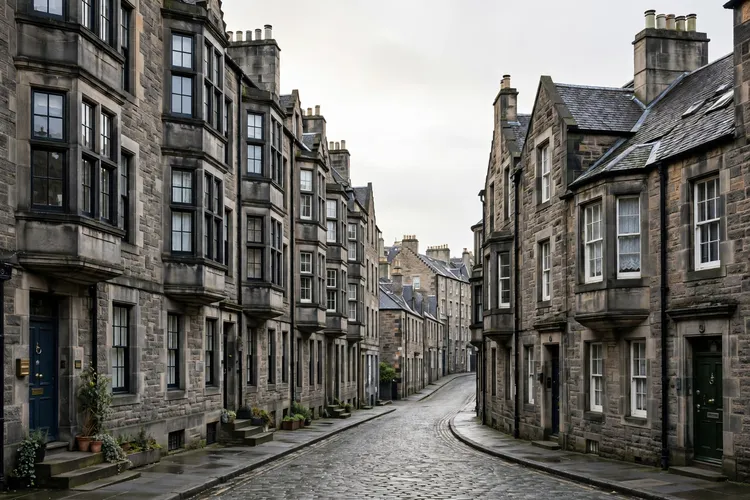
If you are buying in Scotland, stop here first, because the system is different. The seller, not the buyer, pays for the survey. Before a home can be marketed in Scotland, the seller must commission a Home Report, and the buyer gets a copy free.
A Home Report has three parts: a Single Survey, an Energy Report, and a Property Questionnaire. The Single Survey is broadly the same as a RICS Level 2 survey, and it includes a market valuation. The Energy Report is Scotland’s version of an EPC. The questionnaire is filled in by the seller and covers council tax, parking and alterations.
| Property value | Typical Home Report cost, incl VAT |
|---|---|
| Up to £100,000 | £240 to £540 |
| £100,001 to £200,000 | £360 to £660 |
| £200,001 to £300,000 | £540 to £720 |
| £300,001 to £400,000 | £720 to £900 |
| £400,001 to £500,000 | £840 to £1,080 |
| Over £500,000 | £1,080 to £1,200 |
The average Home Report cost £433 including VAT, according to CompareMyMove data from seven providers in October 2026. That is less than a Level 2 survey south of the border, and much less than a Level 3.
Two rules matter: the report must be no more than 12 weeks old when the home first goes on the market, and failing to provide one can mean a fine of up to £500.
Which Survey Should You Buy?
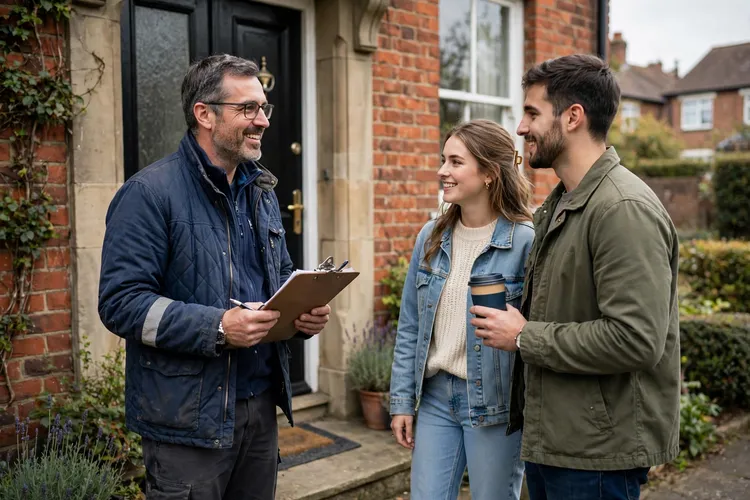
Match the survey to the house, not to your budget. A new-build flat in good order is a Level 1 home. A standard three-bedroom house in reasonable condition is a Level 2 home. An old, large, listed or altered house is a Level 3 home.
If you are planning major works, go straight to Level 3, because the cheaper surveys will only tell you to get one anyway.
Ask yourself three questions. How old is the home? Has it been altered? What would a nasty surprise cost?
If the home is pre-1900, extended, or listed, the extra few hundred pounds for a Level 3 is cheap insurance. If it is a 1990s semi in good order, a Level 2 will do the job.
The roof is often the deciding factor, and how long a roof lasts depends on its material and age.
And know what a survey does not do. The surveyor does not move furniture, lift floorboards, open up structures or test the services. A survey is a visual inspection of what can be seen and reached. It will not find a fault hidden behind a fitted wardrobe.
It will not tell you the boiler works. For that, you need a specialist check.
Buy the survey the house needs, not the cheapest one on offer.
If the survey flags a failing roof, a new roof is the biggest single repair a buyer faces, and new roof costs run into thousands. That is why the Level 3 report, with its repair estimates, is worth the money on an older home.
Questions About House Survey Costs
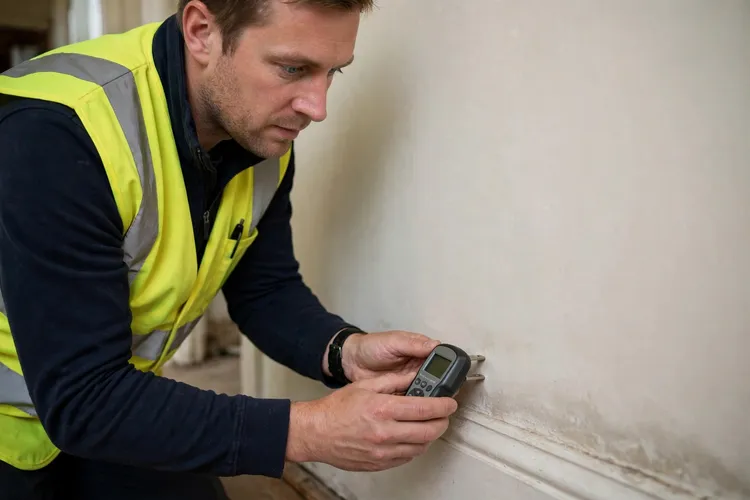
Do I need a house survey if my lender is doing a valuation?
Yes. A valuation checks the value for the lender. It does not check the condition for you. A survey is the only report written for the buyer.
How long does a house survey take?
A Level 1 takes about an hour on site. A Level 2 takes between 1.5 and 4 hours. A Level 3 can take up to a full day. The report itself usually follows within a few working days.
Can I use the survey to renegotiate the price?
Yes, and buyers do. The HomeOwners Alliance found in 2024 that 30 percent of buyers who had a survey took action on what it found. One in ten renegotiated the price, and about one in eleven got the seller to fix the problem.
Is a house survey worth it on a new build?
Yes, but a different one. New builds need a snagging survey, which costs £300 to £600 and checks for unfinished work and defects. A Level 1 can also work, but the snagging survey is built for the job.
What happens if the survey finds something serious?
Talk to the surveyor first, then decide. You can renegotiate, ask the seller to fix it, get a specialist survey, or walk away. A bad survey is not a dead end. It is information, and it is cheaper than the repair.
Get Three Quotes for the Same Survey
That is the whole job in one line: pick the right level, then get three quotes for it. Compare like with like, the same level, the same valuation choice, and the same VAT treatment. A quote that looks cheap because it excludes VAT is not cheap.
Skipping the survey is the expensive option. One in five buyers in England, Wales and Northern Ireland skipped one in 2026, according to Direct Line, while more than half of sellers admitted holding back information about the home. A survey costs a few hundred pounds. A missed defect costs thousands.
Once you know the house survey cost UK buyers pay for a home like yours, the rest is simple. Check the surveyor is a member of RICS, with MRICS or FRICS after their name, and ask whether you can talk through the report with them. Book the survey as soon as your offer is accepted.
- Is VAT included? Get the full price in writing.
- Is a valuation included? A Level 2 with valuation costs more than survey-only.
- Can you see past reports? A good surveyor will show you one.
- Can you talk through the findings? Ask before you book, not after.
- How fast is the report? If you need it quickly, check whether that changes the fee.


