Table of Contents
Chimney repair cost UK guides put a typical job at £250 to £1,500 in 2026, and the most common repair, repointing a stack, averages about £750. That range is honest, but it hides the real story. The same job can cost £300 or £2,000, and the difference is usually the stack, the access and the mortar, not the roofer.
A chimney is the most exposed masonry on the house. It takes rain from every direction, frost in winter and heat from the flue, with no roof overhang to shelter it. So the mortar goes first, then the lead, then the pots, and each failure has its own price.
This guide prices each job separately, from four published UK cost guides, with the VAT status stated on every figure. Where the guides disagree, I say so and explain why, instead of picking the number that sounds tidiest.
This is the fourth post in our Roof Repairing guides, after our guide to roof repair costs, the flat roof replacement guide and the new roof cost pillar. Those cover the roof itself. This one is the chimney: the stack, the flashing, the pots and the flue.
Chimney Repair Cost UK by Job: The 2026 Price Table
The chimney repair cost UK figures below come from four published guides, and I have kept each source’s VAT status beside its numbers, because that is where most comparisons go wrong.
| Job | Typical cost | Source and date | VAT |
|---|---|---|---|
| Repointing a stack | £300 to £1,000, avg £750 | Checkatrade, Apr 2026 | Ex VAT |
| Repointing a stack | £500 to £2,000, avg £750 | MyBuilder, 2026 | Not stated |
| Repointing, side-wall semi with scaffold | £720 to £1,100 | JobPrices, Nov 2026 | VAT incl |
| Flashing repair | £250 to £1,000 | Checkatrade, Apr 2026 | Ex VAT |
| Flashing repair | £250 to £1,200 | MyBuilder, 2026 | Not stated |
| Lead patch / full renewal | £150 to £250 / £350 to £920 | MyJobQuote, Sep 2026 | Not stated |
| Re-flaunching | £150 to £400 | BestBuilders, Q3 2026 | Not stated |
| Pot or cowl | £100 to £300 per pot | BestBuilders, Q3 2026 | Not stated |
| Cap | £180 to £520 | Checkatrade, Apr 2026 | Ex VAT |
| Flue liner, fitted | £600 to £1,500 | BestBuilders, MyBuilder | Not stated |
| Partial rebuild | £720 to £1,200 | JobPrices, Nov 2026 | VAT incl |
| Full rebuild above roof | £1,000 to £3,500 | Checkatrade, BestBuilders | Ex VAT / not stated |
| Full rebuild above roof | £2,000 to £10,000+ | MyBuilder, 2026 | Not stated |
| Removal, stack above roof | £500 to £1,500 plus scaffold | BestBuilders, Q3 2026 | Not stated |
| Scaffold, a week | £540 to £1,050 | JobPrices, Nov 2026 | VAT incl |
Read the VAT column before you compare two numbers. A £750 Checkatrade figure is £900 once 20 percent VAT is added, while a £750 JobPrices figure already includes it. That single difference explains a surprising number of arguments about chimney prices.
The two guides I would read first are the Checkatrade chimney repair guide and the JobPrices chimney repair page. The first gives the national table most roofers quote from. The second prices each job with the scaffold included and the VAT included, so the totals add up.

Repointing: Why Every Guide Gives a Different Price
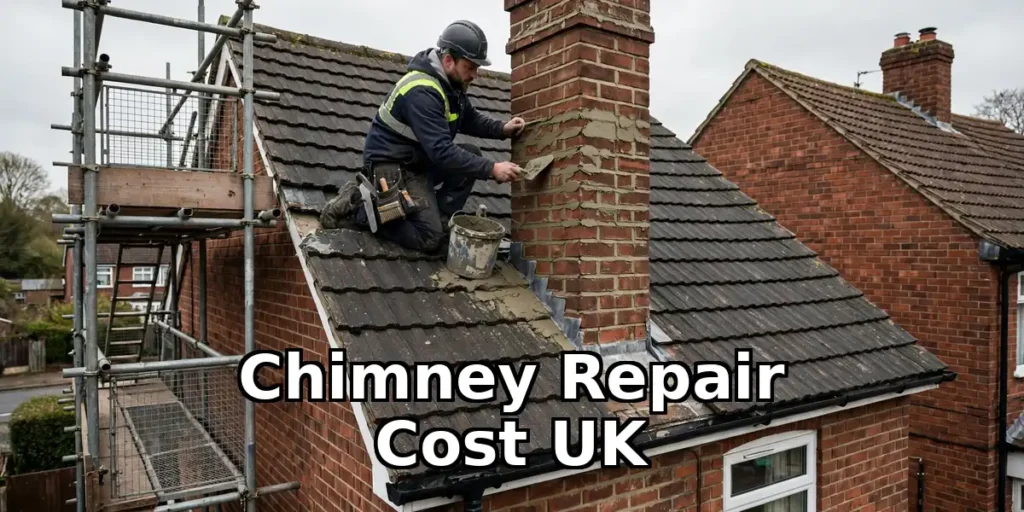
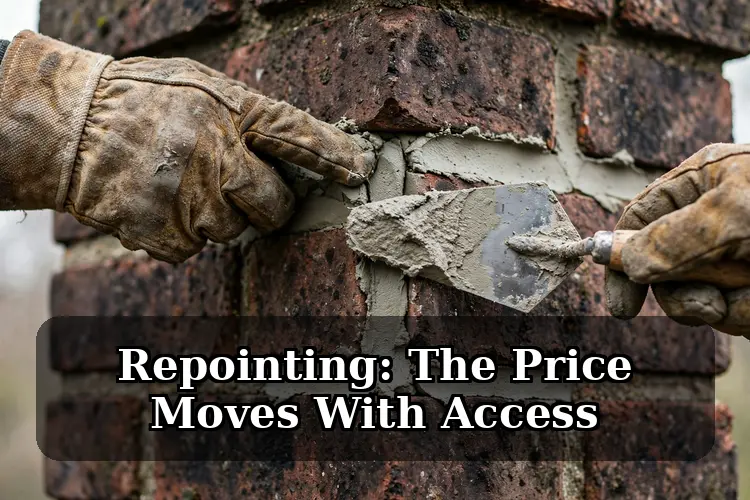
That spread is why chimney repair cost UK tables never agree on repointing, and the disagreement is real, not a mistake. Repointing means raking the loose mortar out of the joints and filling them again, and the price moves with three things: how high the stack is, how the roofer reaches it, and what mortar the bricks need.
Every guide agrees on the average, about £750. Checkatrade puts repointing at £300 to £1,000, MyBuilder at £500 to £2,000, and BestBuilders at £400 to £1,200.
MyJobQuote gives £250 to £350 for a standard stack. The average is the same everywhere. The range is where they part company, and access is the reason.
Checkatrade prices a small stack on a low roof at about £300, and a mid-terrace ridge stack that needs scaffold at about £1,000.
MyBuilder splits it by house shape: a bungalow at £200 to £700, a semi with a side chimney at £600 to £900, a semi with a central chimney at £900 to £1,500, and a detached house at £700 to £900.
Then there is the mortar. Older and solid-wall properties usually need lime mortar so the masonry can breathe, and using hard cement on soft period brick traps moisture and causes spalling.
Lime pointing costs about 20 to 30 percent more. Don Valley and Professional Roofers both put a period chimney in lime at £700 to £1,200, against £400 to £1,200 in cement. Per square metre, expect about £40 to £60 in cement and £60 to £90 in lime.
If your house is listed, check before work starts. Repointing is routine maintenance and needs no planning permission, but a listed building may need listed building consent for external work, so ask your local authority first.
One more thing to check before you pay for repointing: the bricks themselves. If mortar falls out in handfuls, or the bricks can be moved by hand, the bed has failed and the courses need lifting and relaying. That is a rebuild, not a repoint, and no amount of fresh mortar will hold it.
Flashing: The Lead That Stops the Leak
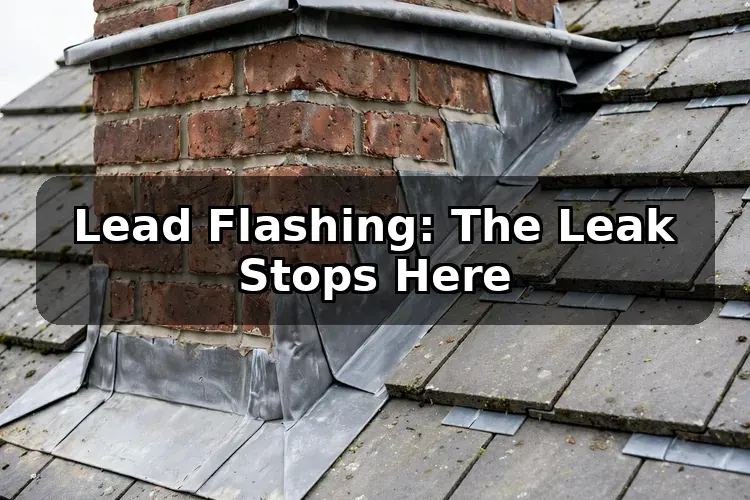
Flashing is the lead strip that seals the gap where the brickwork rises through the tiles, tucked into the mortar joints. It is the joint most chimney leaks start from, and it is the job people leave longest, because the leak shows up on the chimney breast downstairs, not on the roof.
Checkatrade gives flashing repair at £250 to £1,000, and MyBuilder at £250 to £1,200. A simple patch without scaffold costs about £250. The spread is wide because a patch and a full renewal are different jobs.
A full renewal is where the scaffold shows up in the price. MyJobQuote puts a full lead renewal at £350 to £460 without scaffold, and £700 to £920 with it, with an average of about £570. JobPrices prices new lead on all four sides at £420 to £640 without scaffold, and £960 to £1,650 with it.
Lead itself lasts a long time. MyJobQuote’s leadwork guide says lead flashing can last for over 80 years, so a renewal done well is a once-in-a-generation job. Per metre, Checkatrade’s roof repair guide gives £50 to £70 for Code 5 lead and £80 to £120 for stepped flashing, excluding VAT.
Do the flashing with the repointing while the scaffold is up. Both jobs need the same access, and doing them separately means paying for access twice. A roofer who is already on the stack can dress new lead in the same visit, and that is the cheapest way to buy it.
Flaunching, Pots and Cowls: The Small Jobs
Flaunching is the sloped mortar cap round the base of the pots. It sheds water away from the flues, and a cracked or hollow one lets rain in around the pots. It is a small job, and it is usually priced as part of the same visit as repointing or pot work, when the access is already in place.
BestBuilders puts re-flaunching at £150 to £400, Vision Roofing at £250 to £600, and Greens Brickwork at £200 to £500. The guides disagree by a factor of two, and the reason is the same as everywhere else on a chimney: whether the scaffold is already up.
WeFixYorkshire puts the point plainly: a £250 re-flaunching becomes a £700 job once a scaffold tower goes up. On a three-storey terrace or a roof with a difficult pitch, the access cost can exceed the masonry cost outright.
Pots and cowls follow the same pattern. A replacement pot costs £100 to £300 each, and a cowl £120 to £280, both from BestBuilders. A cap over a disused flue is £180 to £520 from Checkatrade, excluding VAT. JobPrices prices a pot, cowl or cap supplied and fitted at £220 to £620, VAT included.

Flue Liners and the Rulebook
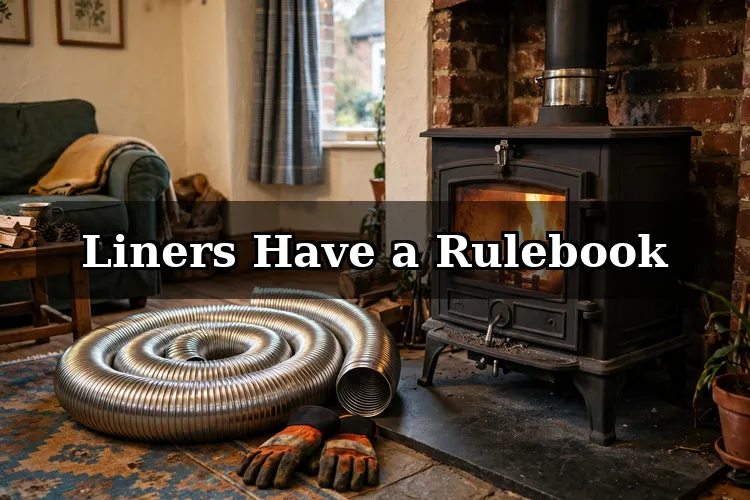
A flue liner is a protective tube fitted inside the chimney, and it does two jobs: it carries smoke and gases safely out, and it protects the old brickwork from heat and condensation. You need one when the flue is cracked, when a new stove goes in, or when the old lining has failed.
Fitted, a liner costs £600 to £1,500, from BestBuilders and MyBuilder, with MyBuilder putting relining at £800 to £1,500. By the metre, Checkatrade gives about £250 supply and fit, and JobPrices about £300, VAT included. The material alone is cheaper: a 150mm flexible 316-grade liner costs about £19 to £50 a metre, and 904-grade about £43 to £67.
| Liner type | Typical cost | Source |
|---|---|---|
| Flexible stainless steel, fitted | £450 to £700 | MyJobQuote |
| Flexible stainless, material per metre | 316: £19 to £50+, 904: £43 to £67 | Checkatrade, Sep 2026 |
| Rigid stainless steel, fitted | £850 to £1,000 | PriceYourJob |
| Clay, fitted | £1,100 to £1,600 | PriceYourJob |
| Pumice, fitted | £900 to £1,300 | PriceYourJob |
The grade matters. 316-grade is the standard choice for seasoned wood and smokeless fuel on a stove used now and then, and it usually carries a warranty of 10 to 15 years. 904-grade is heavier and more corrosion-resistant, for house coal, heavy use or back boilers, and it usually carries a longer warranty.
Here is the part people miss: a new or replacement liner is building work. Approved Document J says that if renovation or repair involves a new or replacement flue liner, it is building work under Regulation 3, and it must be notified to the local authority.
A HETAS-registered installer can self-certify the work and issue a certificate. If you do it yourself, you need a building control inspection and sign-off, so keep the certificate with the house paperwork.
Rebuild or Remove: When Repair Stops Making Sense
Repointing only works when the bricks are sound. When the stack has moved, bulged or loosened, the sound fix is to take it down to a level that is plumb and solid, sort the bricks, and rebuild it to its original height, using the same materials.
The rebuild figures disagree more than any other job on this page, and the reason is what each figure includes. Checkatrade and BestBuilders give £1,000 to £3,500 for the brickwork above the roofline. MyBuilder gives £2,000 to £10,000 and above. JobPrices gives £1,750 to £5,200 with a week of scaffold, VAT included.
The gap closes once you compare like with like. A ChatToYourBuilder figure of £2,500 to £6,000 for one ordinary stack, all in, covers the scaffold, the take-down, the rebuild, new pots, flaunching and lead. The £1,000 to £3,500 figures are mostly the brickwork, with access on top. Ask what is in the number before you compare two quotes.
A partial rebuild costs less, and it is the right call when only the top courses have failed. Professional Roofers puts a partial rebuild at £600 to £1,000, JobPrices at £720 to £1,200, VAT included, and BestBuilders at £600 to £1,500. The top courses, the flaunching and the pots are reset, and the sound brickwork below stays put.
Removal is the other answer, when the flue is disused or the stack is beyond repair. Taking a stack down above the roof costs £500 to £1,500 plus scaffold, from BestBuilders, and Checkatrade gives £260 to £340 a metre, or about £1,800 for a typical project.
Removing a chimney breast inside the house is a bigger job, at £900 to £6,800 per floor, because it needs structural support and Building Control.

Scaffolding: The Line That Can Cost More Than the Repair
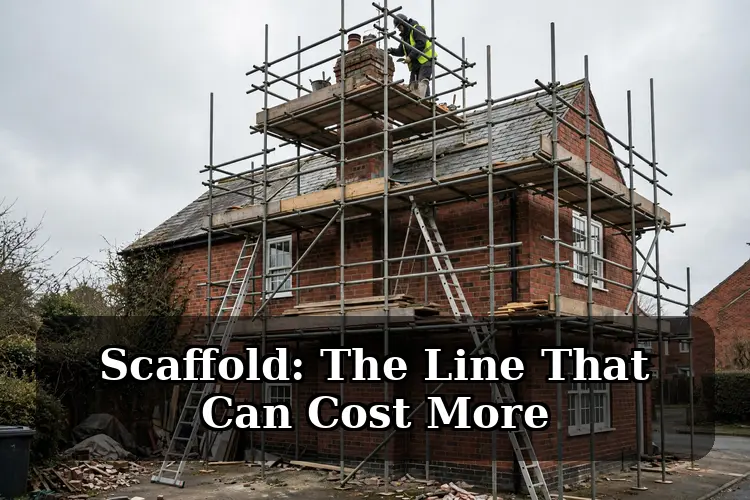
Every chimney repair cost UK guide I read says the same thing in different words: access moves the total more than the brickwork. A stack that needs scaffold costs noticeably more than one reached by ladder, and on a small job the access can be the biggest line on the bill.
MyBuilder’s scaffolding guide gives high-level chimney scaffold at £400 to £900. Checkatrade gives about £660 a week. JobPrices gives £540 to £1,050 a week, VAT included, and Vision Roofing gives £400 to £800. BestBuilders puts scaffold at £400 to £1,200 on top of the repair, and a two-storey stack at £400 to £700.
A small stack on a low roof may not need full scaffold at all. A roof ladder or a tower can reach it safely, and a small flashing patch is often done that way. A tall ridge stack on a two-storey house usually needs full scaffold, because working at that height needs safe footing and room to move.
The money is in doing everything in one visit. Repoint the stack, renew the lead and fit a new pot or cap while the scaffold is up, because a second visit means a second scaffold bill. JobPrices prices that combined job for a side-wall chimney at £1,350 to £2,350, and a rebuild job at £2,400 to £6,500, both VAT included.
Your Chimney Questions, Answered
These are the questions I hear most, with the short answers I give friends before they spend anything.
How much does it cost to repair a chimney in the UK?
A typical chimney repair costs £250 to £1,500 in 2026. Repointing, the most common job, averages about £750. A simple flashing or mortar repair can start from about £250, while structural work or removal can reach about £1,800.
How much does chimney repointing cost?
About £750 on average, in every guide I read. The range is £300 to £1,000 from Checkatrade, excluding VAT, £500 to £2,000 from MyBuilder, and £250 to £350 from MyJobQuote for a standard stack. Access and house shape decide where yours falls.
Do I need scaffolding to repair a chimney?
Sometimes. A small stack on a low roof, reached safely from a roof ladder or tower, may not need full scaffold. A tall ridge stack on a two-storey house usually does, and the scaffold costs £400 to £900, or about £660 a week.
Is chimney repair covered by insurance?
Sometimes, and the cause decides it. Buildings insurance usually covers sudden damage, like a storm, a fire or a falling tree. Wear and tear is not covered, and repointing and routine upkeep are maintenance, so they stay your cost. Tell your insurer before repairs begin, and keep photographs and receipts.
Which? reported in November 2025 that only 32 percent of storm-related claims made in 2024 resulted in a payout, using Financial Conduct Authority figures. Read your own wording closely, and assume nothing until your insurer has answered.
When should a chimney be rebuilt instead of repaired?
When the bricks themselves have failed. If mortar falls out in handfuls, or the bricks can be moved by hand, the bed has gone and the courses need lifting and relaying.
A stack that has moved, bulged or loosened is the same story. Repointing will not hold it, so it is a rebuild, with a partial rebuild enough when only the top courses have failed.

If this were my stack, I would get three itemised quotes, all listing the same things: the job, the scaffold, the mortar type and the VAT. And I would not sign the cheapest one until I knew what it had left out. A chimney is the one roof job where the expensive mistake is invisible until the rain comes in.
Bundle the work, fix the access once, and check the mortar before you check the price. The cheapest chimney repair is the one you only pay for once. If the damp has already reached the chimney breast inside, start with our DIY home improvement guide before you pay anyone to open it up.